
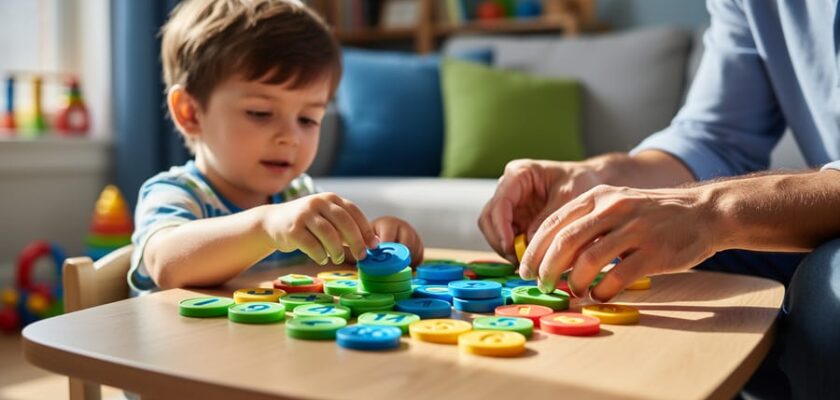
A good math game sneaks the learning in so well that kids forget they’re practicing. They’re too busy racing, matching, and puzzling their way to the next level. That’s the sweet spot, and it’s why cool math games work for everything from times tables to saving money.
So what makes one worth your time? Look for quick rounds, clear goals, instant feedback, and a challenge that grows as your player does. Skip anything that buries the math under flashing ads or confusing rules.
Right now, Coolmath is giving families plenty to explore. It announced six new financial literacy games, and players racked up over 1 million gameplays across them in the past week. It also announced a nationwide Financial Literacy Game Jam with a $20,000 prize pool and a $10,000 grand prize for the winning submission. Big stuff for young game makers! Meanwhile, the Drift Boss 2026 Update adds daily minigames like Guess the Number, Match the Cards, Simon Says, and Maze Challenge.
Ready to play? Pick one game, set a five-minute timer, and ask your young mathematician to explain one thing they figured out. Little wins add up fast.
What Makes a Math Game Actually Cool?

Fun First, Learning Close Behind
Here’s a secret: the best math practice doesn’t feel like practice at all. When a game has a goal, a little challenge, and a fast “ding!” for getting it right, kids dive in and keep going. They’re so busy racing, matching, or guessing that they don’t notice they’re adding, spotting patterns, and thinking like mathematicians.
That’s the magic of play. Mistakes feel like part of the game, not a big red X on a page. Missed it? Try again! Each tiny win builds confidence, and confidence makes kids braver about tackling trickier numbers next time. Curiosity grows too, because “what happens if I try this?” is the very best kind of math question.
There are lots of types of educational games out there, from puzzles to quizzes to adventures, so kids can find the style that makes them smile. When learning feels this fun, they’ll want to come back for more.
Math Skills Hiding in Every Game
Here’s a secret: your child is already doing math whenever they play a game. Counting coins in a shop game? That’s addition and subtraction at work. Planning the safest route across a map? That’s logic and spatial reasoning. Spotting that the same enemy appears every third turn? Congratulations, they just found a pattern, and patterns are the heart of algebra and coding.
Games also train estimation. Will that jump reach the next platform? How many seconds until the timer runs out? Kids make quick guesses, test them, and adjust. That’s the same loop scientists and engineers use every day, which is why game play fits so neatly into STEM thinking.
Each time a child tries a new strategy after a miss, they practice problem solving. Over time, those small wins help build stronger math foundations without a single worksheet in sight.
Next time your young player grins at a clever solution, ask them to describe the math moves they made. You might be surprised how much they know!
What’s New: Coolmath Goes Big on Money Skills
Why Money Is Secret Math Magic
Here’s a secret: every time you buy a snack, save for a toy, or count your allowance, you’re doing real math!
Let’s say you want a toy that costs $20, and you already have $8. How much more do you need? That’s subtraction, and it tells you your goal: $12 to go. If you save $3 each week, you can count up by threes (3, 6, 9, 12) and see it’ll take four weeks. That’s addition and planning working as a team.
Percentages sneak in too. Ever seen a “25% off” sign? That means the price drops by one quarter, so a $20 toy would cost only $15!
Money math is everywhere, and it’s why Coolmath’s six new financial literacy games are such a fun way to practice. Saving, spending, and budgeting all turn out to be number puzzles in disguise. Once you spot the math, you’ll feel like a money wizard.
Try It Together: A Pretend Piggy Bank Challenge
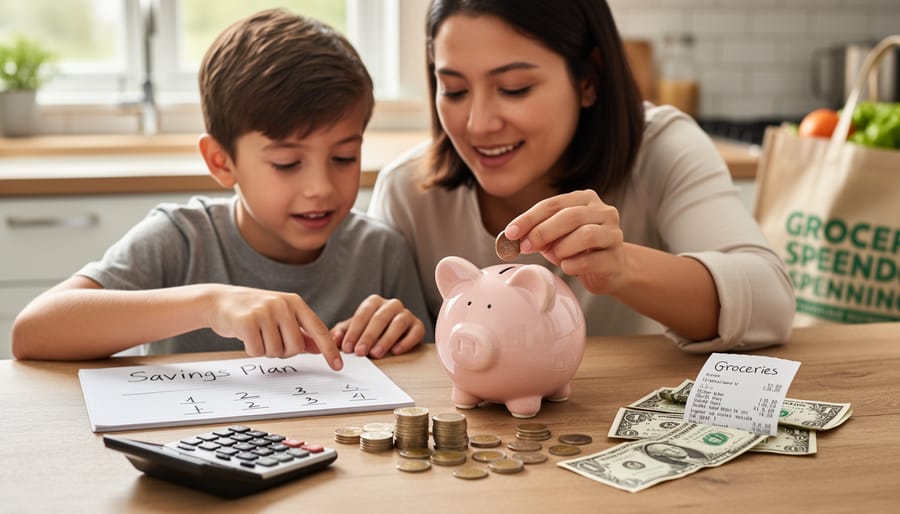
Ready for a screen-free money mission? Grab a bowl of play money (or make some with paper scraps), a small jar, and a pencil.
Here’s your challenge:
1. Get your budget. A grown-up hands you 20 pretend dollars. Count them out loud, one by one.
2. Make a plan. Imagine you want to buy a toy that costs 15 dollars. How much will you save? How much can you spend on snacks or small treats?
3. Do the math. Subtract what you spend from your starting amount. What’s left for your piggy bank?
4. Check your work. Count the coins and bills again. Did your answer match?
Want more fun? Try changing the prices, or give yourself a surprise “bonus” to add in. Grown-ups, ask, “How did you decide?” That question turns counting into real strategy.
The Coolmath Financial Literacy Game Jam: Calling Young Game Makers
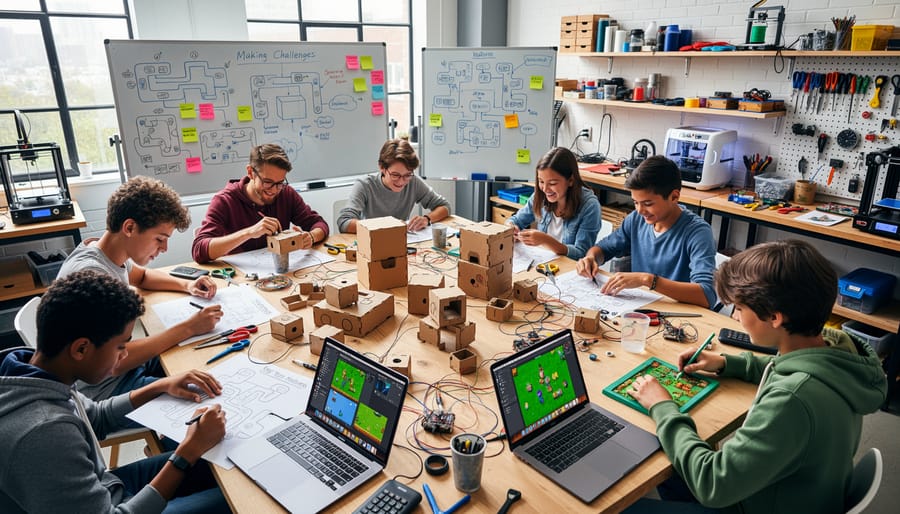
Ever wondered who makes the games you love to play? A game jam is a creative challenge where people team up (or work solo) to build a brand-new game. Think of it like a bake-off, except instead of cupcakes, everyone’s cooking up levels, characters, and clever puzzles!
Coolmath just announced one, and it’s a big deal. The Coolmath Financial Literacy Game Jam is nationwide, which means game makers from all over the country can get in on the action. The theme is money smarts, so the games people create will help players think about saving, spending, and budgeting in fun ways.
Here’s a quick look at the verified details:
| Detail | What We Know |
|---|---|
| Event name | Coolmath Financial Literacy Game Jam |
| Reach | Nationwide |
| Total prize pool | $20,000 |
| Grand prize | $10,000 for the winning submission |
| Focus | Financial literacy games |
Want to know who can enter, when entries are due, or how to submit? Those details live in Coolmath’s official announcement, so check there before getting started.
For budding programmers, this is a wonderful peek at how STEM skills come together. Building a game takes coding, logic, and problem solving, plus plenty of math for scores, timers, and budgets. Even if you’re not ready to enter, you can start sketching your own game idea on paper. What would your money-smart adventure look like?
Level Up: Daily Minigames and Brain-Boosting Fun
Great games give you a reason to come back, and the Drift Boss 2026 Update is packed with them. It brings new skins, minigames, loot chests, and an all new card system. Think of it as a treasure chest of fresh surprises waiting to be opened.
The daily minigames are where brain-boosting fun really shines. Here’s what each one can sharpen:
Guess the Number is a game of clever hunting. Each guess gives you a clue, so you can narrow things down. That’s great practice for number sense, which is just a fancy way of saying you get a feel for how big or small numbers are and where they sit compared to each other.
Match the Cards is a memory workout. You flip, remember, and flip again, training your brain to hold on to details. A strong memory comes in handy when you’re juggling steps in a math problem.
Simon Says is all about sequencing, which means remembering things in the right order. Order matters in math too, like when you solve a problem one step at a time.
Maze Challenge gets your spatial reasoning going. You picture the path in your head, spot dead ends, and plan your route. Builders, engineers, and coders use this same skill every day.
To be clear, Drift Boss isn’t built as a math tool. It’s a game made for fun! But the thinking muscles these minigames flex are the same ones that help with math, logic, and problem solving. Play, giggle, and let your brain level up on the side.
Tips for Parents and Teachers: Making Game Time Count
Game time works best when grown-ups play a small part in it. You don’t need a lesson plan, just a few simple habits. Try a play-then-chat routine: let your child enjoy the game first, then talk about it afterward. Chatting during a tense level feels like an interruption, but chatting after feels like sharing a victory.
Here’s an easy way to turn any math game session into a learning moment:
- Pick a game that fits your child’s age and interests, and glance at it yourself first.
- Play for a short, set stretch, say 15 to 20 minutes, so it stays fun.
- Pause when the timer goes off, and let your child finish their last round.
- Talk about it with one simple question: “How did you figure that out?” Their answer shows you the strategy and mental math they used.
- Try a twist by taking the idea offline, like counting coins, building a pattern with blocks, or racing to solve a few problems on paper.
That mix of screen and hands-on play keeps math feeling like an adventure. Keep an eye on screen time, and choose games with age-appropriate content. For classroom or homeschool days, our gameschooling guide has ideas for weaving games into your routine, and for little learners, these tips on turning play into learning are a great place to start.
Quick Questions About Math Games
Do math games really help kids learn?
They can! When a game asks kids to count, compare, plan, or spot patterns, they get lots of low-pressure practice. The best ones feel like play, so kids keep going.
How long should kids play?
Short and sweet works best. A fun 15 to 20 minute session, followed by a quick chat about what they figured out, often beats a long, tired marathon.
How do I pick an age-appropriate game?
Try it yourself first. Look for clear goals, gentle challenges, and content that fits your child’s age. If your kiddo is stuck and frustrated, the game may be too tricky. If they’re bored, it may be too easy.
Can games replace practice?
Think of games as a tasty side dish, not the whole meal. They build confidence and curiosity, while hands-on activities, like counting real coins, give kids a different way to practice the same skills.
So here’s the big idea: math doesn’t have to feel like homework. When a game hides the numbers inside an adventure, kids count, plan, and puzzle things out without even noticing. That’s the magic.
And the buzz proves it. Coolmath’s six new financial literacy games have already drawn over 1 million gameplays in the past week, and a nationwide game jam with a $10,000 grand prize is calling young creators to build their own.
So kids, pick a game, try a challenge, and see what your brain can do. Grown-ups, pull up a chair and play along. Ask a question, cheer a clever move, and share the fun. Ready, set, calculate!
