
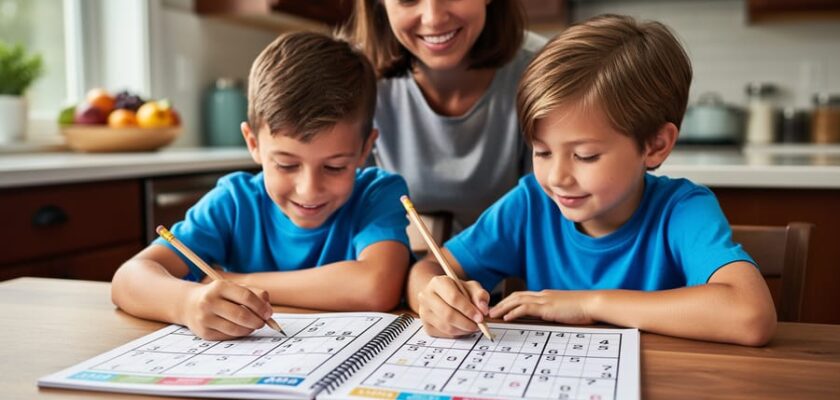
Killer Sudoku puzzles combine classic number logic with a math twist that makes them perfect for young problem-solvers ready to level up their brain games. Instead of just filling in a 9×9 grid without repeating numbers, kids also tackle “cages” (groups of cells with a target sum), turning every puzzle into a fun arithmetic workout. The best options for 2026 span free apps, printable PDF bundles, subscription services, and traditional puzzle books, with difficulty levels ranging from beginner-friendly grids to expert challenges that will keep even the sharpest minds busy.
Parents and educators love Killer Sudoku because it sneaks STEM skills into playtime. Each cage requires addition, strategic thinking, and trial-and-error testing, building mental math fluency without a single worksheet in sight. For homeschoolers, these puzzles double as quiet independent work that strengthens focus and perseverance. Teachers use them as early-finisher activities or math enrichment stations, and kids simply think they’re cracking a cool code.
Getting started is easier than it looks. Younger solvers (ages 7 and up) should begin with smaller grids or puzzles labeled “easy,” where cages contain just two or three cells and sums stay simple. As confidence grows, medium and hard puzzles introduce trickier cage combinations and larger grids that demand more advanced strategies. The good news? You don’t need expensive gear. A free app download, a $2.40 printable bundle, or a $10.99 puzzle book can keep a child engaged for weeks.
How We Chose These Killer Sudoku Puzzles
We put every option in this guide through a thorough vetting process to ensure it meets the needs of young puzzle enthusiasts and their families. Each Killer Sudoku resource earned its spot by excelling across multiple dimensions that matter for kids building logic and math skills.
Our selection criteria included:
- Difficulty range from beginner-friendly easy puzzles through expert challenges for advanced solvers
- Format variety spanning digital apps, printable PDFs, physical books, and subscription services
- Price accessibility with options from completely free to budget-conscious purchases under $15
- Puzzle quantity offering enough content to sustain interest and skill development
- Learning benefits that genuinely support mental math practice and logical reasoning
We prioritized resources available in 2026 that balance educational value with genuine fun factor. Whether your child thrives with screen-based puzzles or prefers pencil-and-paper solving, these curated picks offer engaging ways to level up their brain-game skills without breaking the family budget.
Our Top Killer Sudoku Picks
1. Killer Sudoku – Brain Games App by Oakever Games (Best Free Digital Option)

The Killer Sudoku – Brain Games app by Oakever Games offers the perfect entry point for families exploring this exciting puzzle variation without spending a dime upfront. Available free on the App Store, the app delivers a solid foundation of Killer Sudoku challenges while keeping your wallet happy.
What makes this app particularly brilliant for young puzzlers is its four-tiered difficulty system. Your child can start with easy puzzles to grasp the basics of cage sums and number placement, then progress through medium and hard levels as their skills sharpen. When they’re ready for a real brain workout, expert mode awaits. This gradual progression lets kids build confidence at their own speed rather than hitting a frustration wall.
The free version provides plenty of puzzles to determine whether your child loves Killer Sudoku before committing any money. If they get hooked (and many kids do), in-app purchases unlock additional features and puzzle packs. You’re essentially test-driving the experience risk-free.
For families watching their budgets or simply curious about whether Killer Sudoku will click with their kids, this app eliminates the guesswork. Download it, hand your child a device, and watch them tackle these math-meets-logic challenges wherever you are.
2. Easy, Medium and Hard Killer Sudoku Puzzles Printable PDF Bundle (Best Value Pack)
This Etsy digital download delivers jaw-dropping value: 1500 Sudoku variation puzzles with complete answer keys for just $2.40. That’s less than a fancy coffee, yet it provides months of brain-training entertainment for your entire family. The bundle spans easy, medium, and hard difficulty levels, making it perfect for households with multiple children at different skill stages or classrooms serving diverse learners.
The printable PDF format offers fantastic flexibility. Print individual pages as needed rather than buying bulky puzzle books that kids might outgrow. Homeschooling parents love this option because they can create custom worksheet packets, adjusting difficulty based on each child’s progress. Teachers appreciate the ability to print fresh puzzles for substitute plans, early finishers, or indoor recess activities without stretching their classroom budgets.
Because these puzzles live on paper, they encourage screen-free quiet time, a welcome break from tablets and phones. Kids can work through challenges at the kitchen table, during car rides, or anywhere a pencil and paper will go. The included answer keys let children check their work independently, building self-assessment skills alongside their logical thinking. For families seeking maximum puzzle variety at minimal cost, this bundle’s 1500-puzzle library is tough to beat.
3. Puzzler Killer Sudoku Subscription (Best for Regular Puzzlers)
For families raising serious puzzle fans, the Puzzler Killer Sudoku subscription delivers fresh challenges right to your door on a regular schedule. No more “I’ve solved all the puzzles!” complaints, subscriptions ensure your young enthusiast always has new grids waiting.
Regular puzzle delivery builds genuine brain-training habits. When kids know their next batch of puzzles arrives consistently, they develop routines around solving time. That steady practice strengthens their logical thinking and mental math far more effectively than sporadic puzzle bursts.
Subscriptions also introduce variety you won’t find in static books. Puzzler rotates difficulty levels and cage configurations across issues, exposing children to diverse solving strategies. They’ll encounter unusual patterns and fresh number combinations that keep their brains adapting rather than settling into autopilot.
The anticipation factor matters too. Kids get genuinely excited when their puzzle magazine arrives, creating positive associations with challenging mental work. For dedicated young solvers who’ve moved beyond casual puzzling, a subscription transforms Killer Sudoku from occasional activity into a genuine hobby they look forward to.
4. Sudoku Killer 250 Killer Sudoku Paperback Book (Best Portable Option)
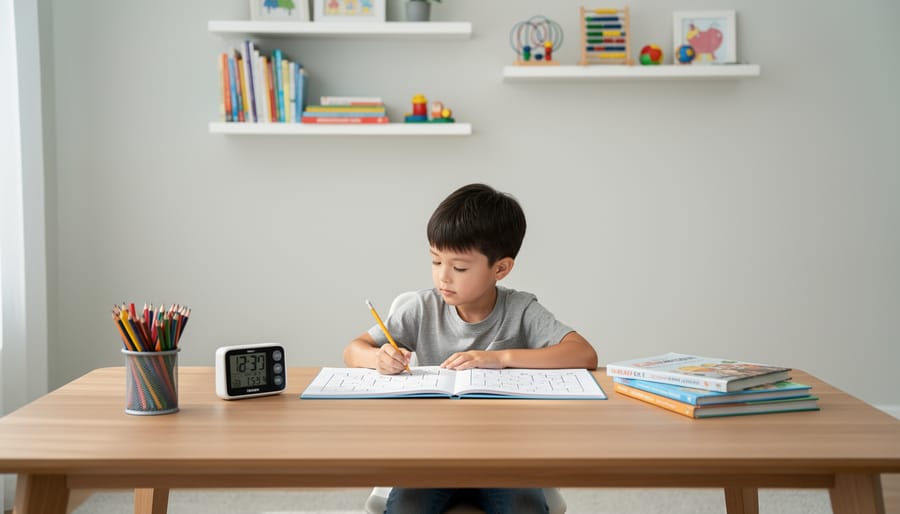
This paperback collection brings 250 medium-difficulty Killer Sudoku puzzles together in one travel-ready book, currently available at Walmart for $10.99. The physical format means no charging cables, no screen time limits, and no Wi-Fi needed, just grab the book and a pencil, and you’re set for hours of puzzle-solving anywhere.
Parents love tossing this in the car for road trips or keeping it in the bag for those inevitable waiting room visits. Kids can work through puzzles at their own pace without notifications popping up or battery anxiety interrupting their flow. There’s something satisfying about filling in a paper grid with pencil, erasing when needed, and physically turning the page to tackle the next challenge.
Medium difficulty strikes a sweet spot for children who’ve solved basic Sudoku and are ready for the added math layer that Killer Sudoku brings. With 250 puzzles to work through, this single book provides weeks or even months of brain-training entertainment. It builds sustained focus in a way screens simply can’t match, when a child settles in with a physical puzzle book, distractions fade and concentration deepens naturally.
5. Mixed Difficulty Killer Sudoku Collections (Best for Multi-Age Families)
Mixed difficulty collections solve a common family puzzle dilemma: everyone wants to play together, but kids have different skill levels. These bundled sets pack easy, medium, and hard Killer Sudoku puzzles into one resource, so your first-grader and fifth-grader can both grab the same book or printable pack and find challenges that match their abilities.
The beauty of graduated difficulty is that children naturally progress at their own pace. A younger child might spend weeks mastering easy puzzles before feeling ready to try medium ones, while an older sibling jumps straight to hard grids. Nobody feels left behind or bored, and both kids experience the satisfaction of solving puzzles appropriate to their current skills.
These collections work particularly well for homeschooling families or parents looking for logic puzzles for kids during family game nights. The Etsy printable bundle mentioned earlier ($2.40 for 1500 puzzles) includes this mixed-level approach, giving you tremendous flexibility to print exactly what each child needs without buying separate products.
As children conquer one difficulty tier, they gain confidence to tackle the next level waiting in the same collection, a built-in motivation system that keeps them engaged and growing.
6. Expert-Level Killer Sudoku Challenges (Best for Advanced Young Solvers)
For young solvers who’ve conquered basic Sudoku and crave tougher challenges, expert-level Killer Sudoku delivers serious brain workouts. These puzzles feature larger cage sums, more complex number combinations, and intricate logic chains that require advanced strategic thinking.
The Oakever Games app includes expert difficulty puzzles alongside easier levels, letting confident kids jump straight to demanding grids. Physical puzzle books often label their hardest sections clearly, so you can flip to the back pages for maximum challenge.
Expert Killer Sudoku sharpens mental math skills dramatically. Kids must calculate multiple possible number combinations for each cage, then eliminate options through pure logic, no guessing allowed. These puzzles might take 30-45 minutes to complete, teaching patience and systematic problem-solving.
Gifted learners particularly thrive on expert puzzles because the difficulty ceiling keeps rising. Each solved grid builds confidence while revealing new strategic techniques. Watch for collections that specify “expert” or “challenging” in their titles, or digital options with adjustable difficulty settings that grow alongside your child’s abilities.
7. Beginner-Friendly Killer Sudoku Starter Sets (Best for First-Timers)
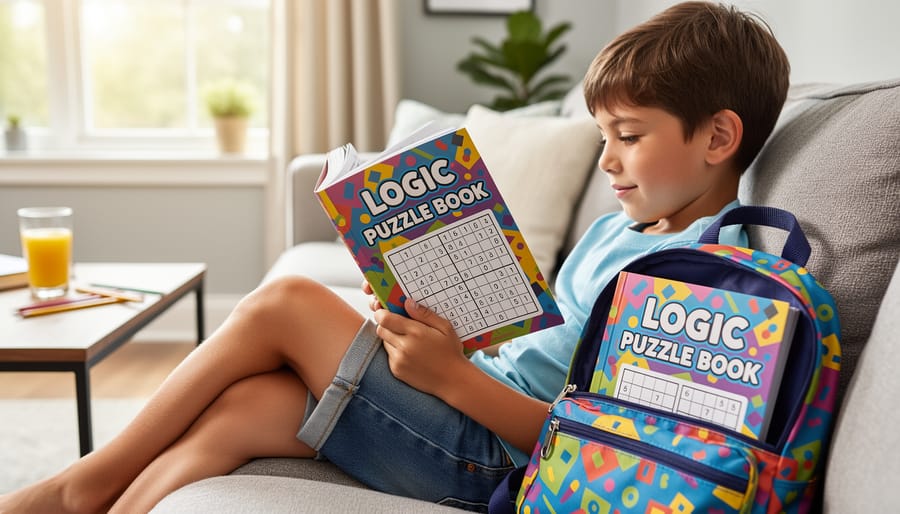
For kids taking their very first steps into Killer Sudoku, starter sets designed with gentle learning curves make all the difference. These beginner resources typically focus on easy-level puzzles with smaller grids (often 6×6 instead of the standard 9×9), making them less overwhelming for young solvers. Look for options that include clear, kid-friendly instructions explaining how cage sums work, perhaps with visual diagrams showing how to think through the logic step-by-step.
The best starter sets offer lots of practice at the easy level, think 50 to 100 beginner puzzles, so children can build genuine confidence and internalize the strategies before facing tougher challenges. Some include helpful hints or partially completed examples that walk kids through the solving process. Printable starter packs work wonderfully here because parents can print just a few puzzles at a time, keeping the experience low-pressure and celebrating each completed grid as a real achievement. Physical starter books with encouraging language and colorful layouts also help make the learning feel playful rather than like homework, setting young puzzlers up for long-term enjoyment of this brain-boosting game.
Quick Comparison: Finding Your Perfect Killer Sudoku Match
Here’s a quick guide to help you choose the right Killer Sudoku option for your family or classroom. The Oakever Games app wins for budget-conscious families, it’s free with optional upgrades and includes all four difficulty levels. If you want maximum puzzles for minimum cost, the Etsy printable bundle delivers 1500 puzzles for $2.40, perfect for printing as needed. Regular puzzlers benefit from Puzzler’s subscription service, which provides fresh challenges consistently. Need portability? The 250-puzzle paperback book costs $10.99 at Walmart and requires zero screens. Mixed-difficulty collections serve multi-age households where siblings need different challenge levels. Expert collections target advanced young solvers craving serious brain workouts, while beginner starter sets ease first-timers into the puzzle format gently. Consider your child’s current skill level, your format preference (digital versus paper), and how many puzzles you’ll realistically use before deciding.
Why Killer Sudoku Puzzles Are Perfect for Young Learners
Killer Sudoku puzzles offer a unique double workout for young minds. Unlike regular Sudoku, which focuses purely on logic patterns, Killer Sudoku combines traditional placement rules with mental arithmetic, each “cage” requires kids to find numbers that add up to a specific sum while still following Sudoku’s row, column, and box constraints. This dual challenge strengthens math foundations while simultaneously building logical reasoning skills that align perfectly with STEM learning goals.
The problem-solving strategies children develop through Killer Sudoku extend far beyond the puzzle grid. Kids learn to break complex problems into manageable steps, test hypotheses when multiple solutions seem possible, and persist through challenges rather than giving up when the answer isn’t immediately obvious. Each successfully completed puzzle delivers a satisfying sense of accomplishment that builds confidence and encourages young learners to tackle increasingly difficult challenges. For parents and teachers seeking activities that genuinely develop critical thinking while keeping kids engaged, Killer Sudoku delivers measurable cognitive benefits wrapped in an enjoyable format.
Getting Started: Tips for Kids New to Killer Sudoku
Starting your child’s Killer Sudoku adventure doesn’t need to feel overwhelming. Begin with easy puzzles that have smaller grids and simple cage sums. The key rule to teach kids is that each cage (the dotted outline) must add up to the small number in its corner, using only unique digits. Encourage your child to use pencil marks for possible numbers, just like professional puzzlers do. Remind them that Killer Sudoku is one of many types of games where taking your time leads to better results than rushing.
When your child solves their first few cages correctly, celebrate that progress. Breaking the puzzle into small victories keeps frustration away and builds confidence. If they get stuck, suggest looking for cages with only two squares, which are easier to figure out. Most importantly, remind young solvers that every expert started exactly where they are now, and each puzzle makes their brain stronger and smarter.
Common Questions About Killer Sudoku for Kids
Parents and educators often have similar questions when discovering Killer Sudoku, so let’s tackle the most common ones.
What age is appropriate for Killer Sudoku?
Most children ready for basic Sudoku (typically ages 7-8 and up) can begin with easy Killer Sudoku puzzles. If your child can add numbers to 15 and understands basic grid logic, they’re ready to try the beginner levels.
How is it different from regular Sudoku?
Killer Sudoku adds “cages” (outlined groups of cells) where the numbers must add up to a specific sum. You solve it using both the standard Sudoku rules and these addition clues, making it a combination logic-and-math challenge.
Do kids need to be good at math?
No, but they should know basic addition within small numbers. Killer Sudoku actually helps kids improve mental math as they work out which number combinations fit each cage sum.
What if my child gets frustrated?
Start with easy puzzles and remind them it’s okay to take breaks. Like other puzzle games persistence builds over time, and early wins create confidence for harder challenges.
Easy puzzles typically take kids 10-15 minutes once they grasp the basics, while medium and hard puzzles can extend to 30 minutes or more. The beauty of Killer Sudoku is that children work at their own pace, developing both patience and problem-solving stamina naturally through practice.
Killer Sudoku puzzles offer young learners an exciting next step in their puzzle journey, wrapping brain-boosting logic challenges together with real math practice. The seven options we’ve explored give families genuine choices: free apps for tech-savvy kids, screen-free printables for classrooms, portable books for road trips, and subscriptions for dedicated solvers. No matter your budget or format preference, there’s a perfect match waiting.
The beauty of Killer Sudoku lies in how it meets children where they are. Beginners can start with simple cages and gentle number combinations, building both math fluency and problem-solving strategies one puzzle at a time. As young solvers progress through difficulty levels, they’re not just having fun, they’re developing persistence, critical thinking, and the satisfying experience of cracking increasingly complex challenges. Pick a format your child will enjoy, grab some puzzles, and let the brain games begin.
