
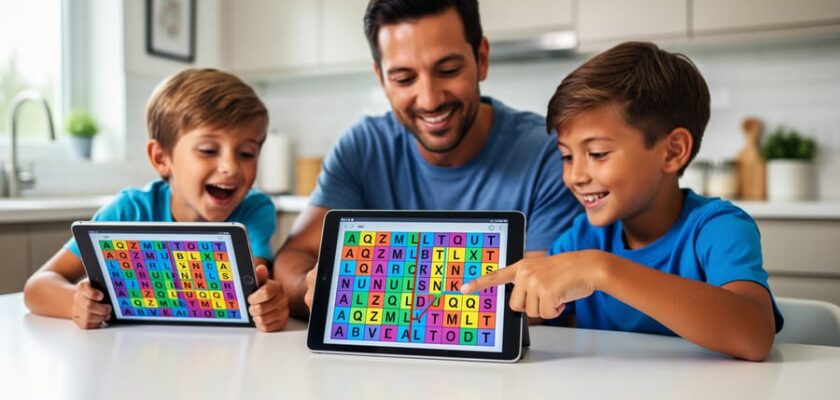
Word search online brings the classic pencil-and-paper puzzle straight to your screen, giving kids and families instant access to hundreds of brain-boosting games without printing a single page. These digital versions offer the same letter-hunting fun children love, but with added perks like adjustable difficulty levels, themed categories that match school subjects, and the ability to play together with friends and family from different devices.
Parents and teachers searching for word search online are typically looking for quick, free options that keep young minds engaged during downtime or support classroom vocabulary building. The good news? Plenty of platforms now offer free word search games designed specifically for children, with colorful interfaces and age-appropriate word lists. Word Search Online, available as a free iPad app with optional in-app purchases, exemplifies this trend by letting players connect with others for friendly competition or cooperative puzzle-solving.
The shift from paper to pixels isn’t just about convenience. Online word searches automatically check your answers, track progress over time, and eliminate the frustration of running out of puzzles or losing your place. For educators, they provide a simple way to reinforce spelling and vocabulary without the prep work of creating custom worksheets. For kids, they transform a quiet solo activity into something social and interactive.
Whether you’re a parent seeking a screen-time activity with actual learning value or a teacher looking for a five-minute brain break between lessons, online word searches deliver focused practice that builds pattern recognition, spelling skills, and concentration. The challenge lies in finding quality platforms that balance fun with genuine educational benefit.
Why Word Search Online Games Are Taking Over Classrooms and Living Rooms
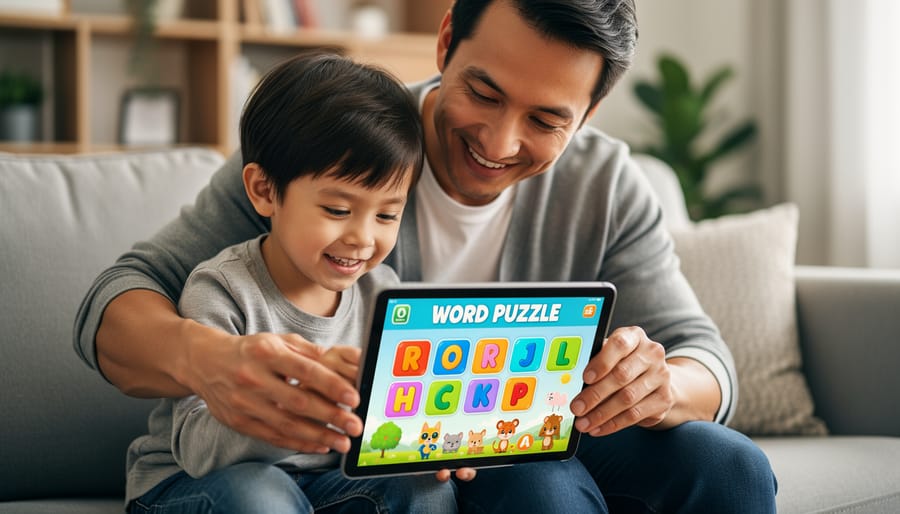
Kids today are choosing pixels over pencils, and the numbers tell the story: online word searches have quietly become one of the most-used educational tools in homes and classrooms across 2026. Teachers report that students who groaned at paper worksheets now race to finish digital puzzles during indoor recess. Parents find their children voluntarily practicing vocabulary on tablets instead of negotiating screen time battles.
What changed? The shift from paper to screen brought features that traditional word searches couldn’t match. Online versions deliver instant feedback, highlight the correct word and watch it light up in celebration. Kids know immediately if they found “photosynthesis” or if they need to look again. No waiting for a teacher to check their work, no wondering if they missed one.
The visual appeal seals the deal. Bright colors, animated confirmations, themed backgrounds (space puzzles might feature twinkling stars, ocean themes show swimming fish), and the simple satisfaction of watching found words change color keep kids engaged longer than photocopied grids ever did. Platforms like Word Search Online offer endless variety, one day your child hunts for dinosaur names, the next they’re finding science terms or favorite story characters.
Digital formats also solve practical problems teachers and parents love: no lost pencils, no erasing holes through paper, no arguing over whose turn it is to use the one good marker. Multiple family members can play together on one device, tracking who finds words fastest. The ability to adjust difficulty means the same app works for a kindergartner learning sight words and a fifth-grader tackling multiplication vocabulary.
That combination, instant gratification, eye-catching design, infinite variety, and zero cleanup, explains why word searches moved from occasional time-fillers to daily learning staples.
The Brain-Building Benefits Hidden in Every Puzzle

Every time your child finds a hidden word in a puzzle, their brain is actually working out in ways that matter far beyond the game. Word searches quietly build a whole toolkit of cognitive skills that kids will use in school and life.
The most obvious benefit is vocabulary growth. When children hunt for words like “photosynthesis” or “constellation,” they’re not just scanning letters, they’re reinforcing spelling patterns and word meanings. Repeated visual exposure helps cement these words into long-term memory, making them easier to recall during a science test or creative writing assignment.
Pattern recognition gets a serious workout too. Kids learn to spot letter sequences moving horizontally, vertically, diagonally, and even backwards. This skill transfers directly to math problems, where recognizing patterns in numbers is essential. It’s one of the many reasons why STEM matters the brain needs to identify relationships and structures quickly.
Visual scanning and concentration improve with every puzzle. An eye-tracking study of word searches showed that solving these puzzles requires focused attention and systematic visual search strategies. Kids develop the ability to filter out distractions and stay on task, skills that help during reading comprehension and problem-solving activities.
Spelling gets reinforced through a back door. Instead of drilling words on flashcards, children see correct spellings repeatedly in different contexts. Their brains start recognizing which letter combinations look “right,” building spelling intuition without the pressure of a quiz.
The best part? Kids don’t realize they’re learning. While they’re having fun circling “telescope” or “experiment,” their brains are building neural pathways that support literacy, critical thinking, and analytical skills. That’s educational value hidden in plain sight.
What Makes Word Search Online Perfect for Kids
Kids aren’t exactly famous for their patience with complicated instructions or clunky interfaces. That’s where online word searches shine. They strip away the friction points that made old-school paper puzzles frustrating (smudged erasers, torn pages, lost puzzle books) and replace them with features designed for how children actually play.
The best part? Instant feedback. When your child finds a word, it lights up immediately. No waiting for someone to check their work, no wondering if they circled the right letters. That quick validation keeps them engaged and builds confidence with every discovery.
Online platforms adapt to your child’s skill level instead of forcing them into a one-size-fits-all puzzle. Younger kids can tackle grids with fewer words and larger letters, while older children can challenge themselves with diagonal words and backwards spellings. Many games adjust automatically as kids improve, keeping that sweet spot between too easy and too hard.
Themed puzzles turn vocabulary practice into an adventure. One day your child is hunting space terms like “asteroid” and “galaxy.” The next, they’re searching for animal names or scientific concepts. These themes connect to what kids are learning in school and feed their natural curiosity about topics they already love.
| Age Group | Difficulty Level | Theme Suggestions | Play Time |
|---|---|---|---|
| 5-7 years | 3-5 words, horizontal/vertical only | Colors, animals, shapes | 5-10 minutes |
| 8-10 years | 8-12 words, some diagonals | Science, sports, geography | 10-15 minutes |
| 11-12 years | 15+ words, all directions including backwards | STEM terms, history, advanced vocabulary | 15-20 minutes |
The social element matters too. Apps like Word Search Online let kids play with family and friends, turning solo puzzle time into a group activity. Siblings can race to finish the same puzzle, or parents can work through challenging grids together with their children during screen time.
Device compatibility makes these puzzles accessible wherever kids are. Whether they’re using a tablet at home, a computer at school, or waiting at a restaurant with your phone, the puzzles travel with them. Word Search Online is designed for iPad and available as a free app with optional in-app purchases, giving families a low-barrier entry point to quality puzzles without upfront costs.
Getting Started: What You Need to Know
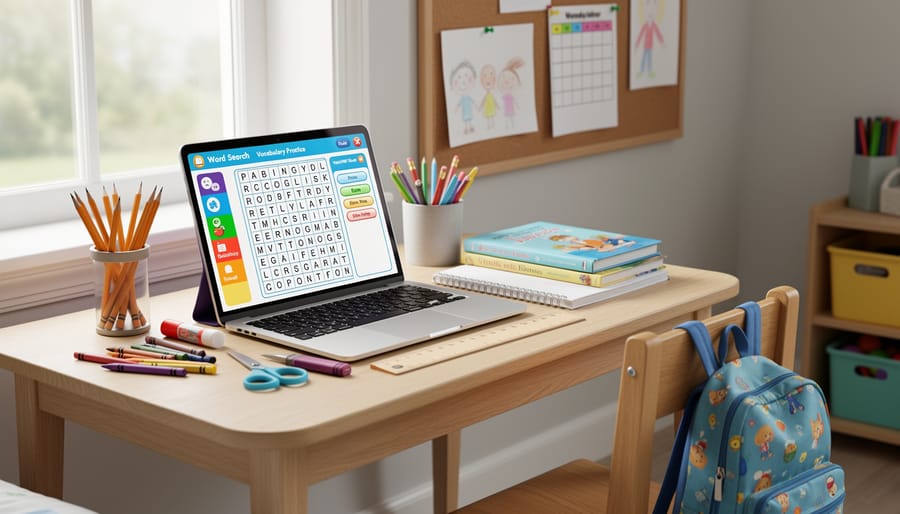
Ready to dive into word search online with your kids? Getting started is easier than you might think, and you don’t need fancy equipment or expensive subscriptions.
Most online word search games work on devices you already own. Tablets make an excellent choice for younger children because the touchscreen feels natural and the screen size is just right for spotting words. Computers work beautifully too, especially for classroom settings where multiple students might gather around a screen. Smartphones are convenient for on-the-go puzzle solving, though the smaller screen can be trickier for kids under seven. Word Search Online, for example, is designed for iPad and offers a smooth, kid-friendly experience on that platform.
The good news? Many high-quality options are completely free. Word Search Online is available as a free app, which means your child can start playing immediately without pulling out your wallet. Some platforms offer in-app purchases for extra puzzle packs or special features, but these are optional. The free versions typically include plenty of puzzles to keep kids engaged for months.
When choosing puzzles, look for age-appropriate difficulty levels. Five and six-year-olds need shorter word lists with simple vocabulary, while ten and eleven-year-olds can tackle longer words and trickier grid patterns. Check if the platform lets you filter by topic, so you can match puzzles to what your child is learning in school or their current interests.
If you’re exploring broader educational gaming strategies, our gameschooling guide offers additional ideas for turning screen time into learning time. The key is starting simple, celebrating those first few finds, and letting your child’s growing confidence guide the way forward.
Creative Ways to Use Word Searches in Learning
Word searches aren’t just time-fillers, they’re secret learning tools that slip vocabulary, spelling, and focus practice into an activity kids think of as play. The trick is using them intentionally, not just as worksheets to hand out when you need five minutes of quiet. Here’s how to weave word search online games into real learning moments.
Vocabulary Reinforcement That Actually Sticks
After introducing new science terms like photosynthesis, mitochondria, or ecosystem, create or find a themed word search that includes those exact words. Kids who hunt for “chloroplast” in a puzzle will remember it better than if they just copied it from the board three times. The visual scanning process creates a different memory pathway than writing alone.
Spelling Practice Without the Groans
Word searches naturally reinforce correct spelling because kids see words spelled right repeatedly as they search. For struggling spellers, start with a word search containing their weekly spelling list, then have them write sentences using the words they found. It’s less intimidating than a blank page and gives them correctly-spelled models to reference.
Reward Activities That Still Build Skills
When students finish work early or hit a learning milestone, offer a word search as a choice alongside other types of educational games. Kids perceive it as a reward, but you know they’re still practicing reading, concentration, and perseverance. It’s a win-win that keeps the learning going even during downtime.
Creating Themed Challenges Connected to Current Lessons
Turn any unit into a word search challenge with these steps:
- Pull 10-15 key terms from your current lesson (historical figures from the American Revolution, geometry vocabulary, or animal classifications).
- Search for a themed puzzle matching that topic on Word Search Online or another free platform, or create a custom one if the site allows.
- Set a time challenge, can students find all the words in under five minutes?
- Follow up with a quick discussion where students explain one of the words they found, connecting the puzzle back to the lesson content.
This approach works beautifully for homeschoolers building a weekly theme and for classroom teachers reinforcing unit vocabulary. The immediate feedback from online versions means kids know instantly when they’ve found a word, keeping the momentum going.
Family Game Nights With a Learning Twist
Word searches work as low-pressure family activities because everyone can participate at their own speed. Parents and older siblings can tackle harder puzzles while younger kids work on simpler ones, then everyone compares strategies. Word Search Online even lets users play with family and friends, turning solo puzzle time into a shared challenge that still builds individual skills.
Ready to turn screen time into brain time? Word search online games are waiting to surprise you with just how much learning can happen when kids think they’re simply having fun.
These digital puzzles aren’t just entertaining distractions. They’re quiet builders of vocabulary, spelling skills, focus, and problem-solving abilities that your children will carry into every subject they study. The best part? Kids actually want to play them, which means you don’t have to convince anyone that learning is happening.
Whether you’re a parent looking for quality activities during quiet afternoons or a teacher seeking engaging brain breaks, online word searches fit perfectly into your toolkit. Start with free options, explore themed puzzles that match your child’s interests, and watch as five minutes of searching turns into genuine skill development.
The beauty of these puzzles is their simplicity. No complicated rules to learn, no pressure to compete, just the satisfying challenge of finding hidden words at your own pace. And when you play together with family or friends, those moments become shared victories and gentle learning opportunities.
So grab a device, pick a puzzle, and let the word hunting begin. Your kids’ brains will thank you, even if they’re too busy enjoying themselves to notice the growth happening with every found word. Happy searching!

